


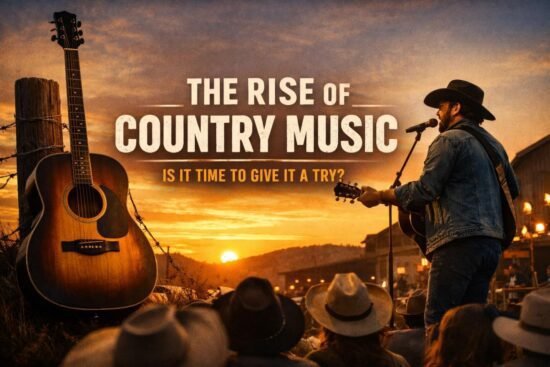
Country music has been part of the global soundscape for over a century, yet instead of fading into nostalgia, it continues to thrive, evolve, and attract new generations of listeners. Once seen as a niche genre tied closely to rural American life, country songs now dominate streaming platforms, cross into pop and rock charts, and influence artists worldwide. This staying power raises an important question for music fans and aspiring artists alike: why does country music continue to shine in the modern music industry, and should you give it a try?
Meanwhile, if you want to try GameZone Arcade games such as Mines, Fishing and Perya games, try it today.
The Enduring Appeal of Country Music
At its core, country music is built on storytelling. While many genres focus on abstract emotions or sonic experimentation, country songs often tell clear, relatable stories about love, heartbreak, family, faith, struggle, and everyday life. These narratives resonate deeply with listeners who want music that feels personal and honest.
Country music also thrives on emotional authenticity. Whether it’s a song about small-town roots, lost love, or personal redemption, the genre emphasizes sincerity over perfection. This emotional transparency helps listeners form strong connections with the music, making country songs memorable and timeless.
Evolution Without Losing Identity
One of the biggest reasons country music continues to shine is its ability to evolve without losing its identity. Traditional country sounds—acoustic guitars, fiddles, banjos, and steel guitars—still exist, but modern country artists have successfully blended these elements with pop, rock, and even hip-hop influences.
This evolution has expanded the genre’s reach. Artists like Taylor Swift, Luke Combs, Kacey Musgraves, Morgan Wallen, and Chris Stapleton have introduced country music to audiences who may not have considered themselves country fans before. By modernizing production styles while maintaining strong lyrical foundations, country music remains relevant in an ever-changing industry.
Strong Presence in Streaming and Charts
Country music’s commercial success is another reason for its continued dominance. On major streaming platforms, country playlists consistently rank among the most-followed genres. Country songs regularly appear on Billboard’s Hot 100 and frequently top country-specific charts for extended periods.
Streaming has also allowed independent country artists to thrive without relying solely on traditional radio play. Platforms like Spotify, Apple Music, and YouTube give emerging artists direct access to fans, helping the genre grow organically while preserving creative freedom.
Loyal and Engaged Fanbase
Few genres boast a fanbase as loyal as country music. Country listeners tend to support artists long-term, attend live shows consistently, and engage deeply with albums rather than just singles. This loyalty creates sustainability in an industry often driven by fleeting trends.
Live performances are especially important in country music culture. Festivals, tours, and small venue shows remain central to the genre, reinforcing strong artist-fan relationships. This community-driven aspect gives country music a resilience that many genres struggle to maintain.
Cultural and Global Expansion
While country music has strong American roots, it is no longer limited to the United States. International audiences in Canada, Australia, the UK, and parts of Europe have embraced the genre, leading to global tours and cross-cultural collaborations.
Modern country songs often focus on universal themes—love, loss, ambition, belonging—that transcend geography. As a result, listeners worldwide can relate to the music even if they have never experienced traditional country lifestyles.
Why Artists Are Turning to Country Music
For musicians, country music offers creative advantages that are increasingly rare in mainstream genres. Lyrics matter in country music. Songwriting is often placed front and center, rewarding artists who can tell compelling stories rather than relying solely on production trends.
Country music also allows for longevity. Unlike genres that favor youth-driven trends, country artists often enjoy long careers, with many reaching peak success later in life. This makes the genre appealing to artists who value sustainable growth over viral moments.
Should You Try Making Country Music?
For aspiring musicians and songwriters, country music is worth serious consideration. The genre values authenticity, making it accessible to artists willing to write honestly about their experiences. You do not need elaborate production or complex arrangements to succeed—strong lyrics and emotional connection often matter more.
Additionally, the country music industry supports both independent and mainstream artists. With streaming platforms, social media, and live performances, new artists can build audiences without relying solely on major labels.
The Future of Country Music
Country music shows no signs of slowing down. As younger artists continue to blend genres and push creative boundaries, the sound will keep evolving while staying true to its storytelling roots. Technology, streaming, and global exposure will further expand the genre’s reach, ensuring its relevance for years to come.
Rather than being stuck in the past, country music represents a bridge between tradition and modern expression. Its adaptability, emotional depth, and strong community support position it as one of the most enduring genres in the music industry.
Final Thoughts
Country songs continue to shine because they offer something timeless: honest stories, emotional connection, and music that feels real. Whether you are a listener looking to expand your playlist or an artist searching for a meaningful creative outlet, country music is worth exploring.
Trying country music is not about fitting into a stereotype—it’s about discovering a genre that has mastered the balance between tradition and innovation. In a fast-moving industry driven by trends, country music’s ability to stay grounded while evolving may be its greatest strength.