

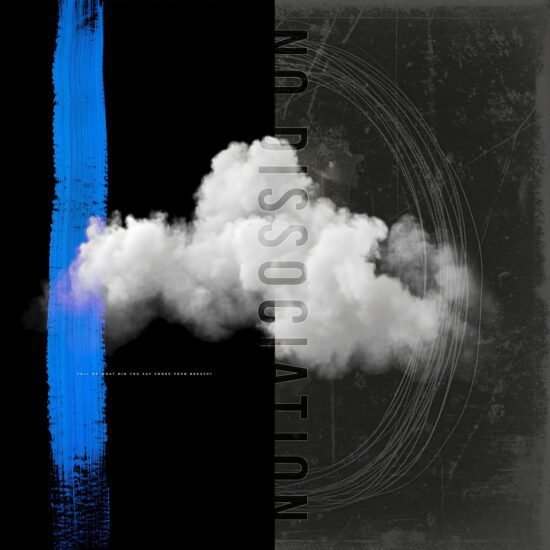
Some albums feel like a collection of songs. Others feel like a world you step into. No Dissociation by Tim Hort firmly lands in the latter category. Spanning 22 tracks, the double record unfolds like a late-night stream of consciousness—moody, layered, and deeply human.
The Chicago-based songwriter blends elements of alt-rock, shoegaze, and folk-leaning psychedelia into a sound that resists easy categorization. His music often lives in the gray area between genres, leaning on atmosphere and lyrical nuance rather than obvious hooks.
Early in the album, “Tuesday,” sets a tone of sonic tension. The arrangement builds but never fully releases, creating a lingering unease that pulls the listener in. Innovative sound play that connected with me personally. That feeling sharpens with a different tone on “Except for a Dead-on Girl.” The writing becomes more pointed and emotionally direct. Both tracks establish the introspective core that carries through the album in seperate ways.
Emotion pours on “Dissolve” with its blend of shoegaze, dark americana, and alternative sounds. The lyrics are delivered with purpose in a way that demands attention. Memories of the great 90’s Alt Rock band LIVE came to mind. A lyric video accompanies the song to fully immerse the listener into the story.
Lyric Video for ‘Dissolve’
As the record progresses, Tim Hort shows a knack for balancing abstraction with grounded storytelling. “Heartbreaks and Slamming Doors” delivers one of the more immediate emotional hits. The structure comes in waves, while the lyrics cut into themes of conflict and regret. As the track builds, we feel it all. It’s a moment where the album’s emotional weight becomes undeniable.
On “How Annandale Went Out” Tim Hort leans further into narrative. The pacing opens up, allowing the story to unfold more deliberately. Hort resists the urge to rush, letting the details breathe. That patience adds depth and makes the track linger long after it ends.
Later in the album “With the Rhythm of a Catfight” injects a subtle sense of movement into the project. The rhythm drives forward, but the lyrics remain raw and unfiltered. It’s a standout moment that captures the balance between structure and chaos that defines the No Dissociation album.
Across the full runtime, the album maintains a consistent tone. The production is sparse but intentional, giving each instrument space to exist. Nothing feels overproduced. Instead, the focus remains on mood, texture, and lyrical weight.
What makes No Dissociation compelling is its willingness to sit in uncomfortable spaces. It doesn’t chase resolution or easy answers. Instead, it reflects the complexity of thought and emotion, allowing songs to exist in that in-between state.
By the time the album closes, the experience feels immersive and complete. This is not a quick listen. It’s a record that asks for time and attention. Tim Hort gives listeners willing to take the journey a lot to uncover on No Dissociation.