

Indie Artist Playbook – Part 2
A step-by-step guide for independent artists who want promoters, venues, labels, and media to take them seriously.
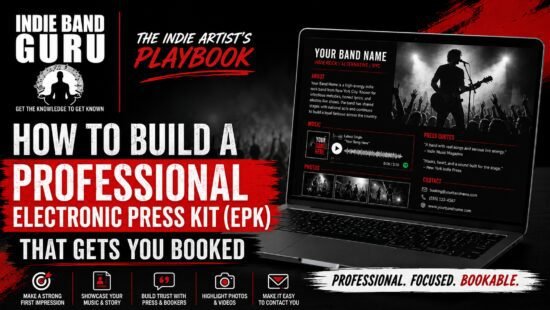
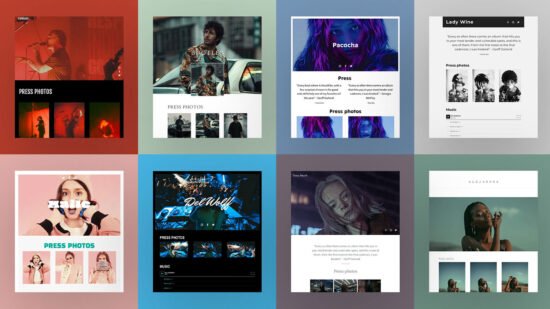
A great song might get some attention, but a professional Electronic Press Kit (EPK) helps turn that attention into opportunities. Whether you’re pitching to a music blog, applying for a festival, contacting venues, or reaching out to booking agents, your EPK is often the first impression you’ll make.
The good news? You don’t need a huge budget or a graphic designer to build one. You simply need the right information presented clearly and professionally.
What Is an EPK?
Think of your EPK as your musical résumé.
Instead of forcing promoters or journalists to search through your social media looking for photos or music links, an EPK gathers everything they need in one place.
A good EPK answers the most common questions before anyone has to ask them.
- Who are you?
- What do you sound like?
- Why should people pay attention?
- Where can they hear your music?
- How can they contact you?
If someone has to dig for that information, you’ve already made their job harder.
Start With a Strong Artist Bio
Your bio is usually the first thing people read.
Keep it between 150 and 300 words and focus on the highlights.
Include:
- Where you’re from
- Your style or genre
- Career highlights
- Recent releases
- Notable performances
- Awards or accomplishments
- What makes your music unique
Avoid writing your life story.
Instead, tell readers why they should care today.
Use Professional Photos
Every EPK should include several high-resolution promotional photos.
Include a mix of:
- Horizontal images
- Vertical portraits
- Full-band photos
- Live performance shots
- Individual artist photos
Keep them current.
If your band lineup changes, update your photos.
Feature Your Best Music
Don’t upload every song you’ve ever recorded.
Lead with your strongest material.
A journalist reviewing your music or a venue considering your booking may only listen to one or two songs.
Make those count.
Spotify playlists, embedded YouTube videos, Bandcamp pages, or private streaming links all work well.
Include Your Best Videos
Live performance videos can be just as important as studio recordings.
Promoters want to know:
Can this artist entertain a crowd?
Include videos that showcase:
- Live shows
- Official music videos
- Live sessions
- Acoustic performances
Quality matters more than quantity here.
List Your Recent Releases
Create a simple discography.
Include:
- Singles
- EPs
- Albums
Mention release dates and include streaming links where appropriate.
This helps media outlets quickly understand your catalog.
Share Press Quotes
Have you been reviewed by a blog?
Interviewed by a podcast?
Featured in a newspaper?
Include a few short quotes from credible sources.
For example:
“A refreshing blend of indie rock and cinematic pop.” – Indie Band Guru
One or two sentences are enough if you can list multiple quotes.
-Always credit the publication and link to the quote if possible. It is a nice nod to the press that helped you along the way.
Make Contact Information Easy to Find
This sounds obvious, but many artists bury their contact information at the bottom of a page.
Include:
- Booking contact
- Management (if applicable)
- Publicist (if applicable)
If someone wants to work with you, don’t make them search for how to reach you.
Add Your Social Media Links
Make it easy for people to continue exploring your music.
Include links to your official:
- Website
- YouTube
- TikTok
- Spotify
- Apple Music
- Bandcamp
Only include platforms you actively use obviously.
An abandoned social media page can create the wrong impression.
Keep It Updated
An outdated EPK sends the wrong message which can get you ignored quickly.
Review it every few months.
Update:
- New releases
- Tour dates
- Photos
- Streaming numbers
- Awards
- Press coverage
A current EPK tells industry professionals you’re actively building your career.
Some Common EPK Mistakes:
- Writing an overly long biography.
- Using blurry or outdated photos.
- Including too many songs.
- Forgetting contact information.
- Linking to inactive social media pages.
- Making visitors download large files.
- Leaving broken links in.
Small details make a big difference.
Final Thoughts
A professional EPK won’t guarantee festival slots or media coverage, but it removes barriers between your music and the people who can help your career grow. Journalists, promoters, venue owners, and playlist curators all appreciate artists who make their jobs easier.
Spend an afternoon building an EPK you’re proud of, then revisit it every time you release new music. As your career grows, your EPK should grow with it. The next opportunity often starts with a single click, and a polished EPK ensures you’re ready when that click comes.
Looking for More Music Marketing Advice? This article is part of The Indie Artist’s Playbook, a weekly IndieBandGuru series dedicated to helping independent musicians build their careers. Check back each week for new guides on playlist promotion, branding, social media, recording, and growing your audience.