

-Where to Spend, Where to Save, and What to Avoid as you plan your next independent music release.
Independent artists rarely have unlimited money. The good news is that a smart release does not require it. What matters more is knowing which expenses actually improve the music, the presentation, or the chance of reaching the right listeners – and which expenses mostly make the budget disappear.
Start With the Goal, Not the Shopping List
Before you spend anything, decide what this release is supposed to accomplish. Are you trying to introduce a new project? Build a stronger press story? Grow your live audience? Test a new sound? Create a professional single that can stay in your catalog for years?
Those goals lead to different budgets. An artist preparing for a tour may need strong live photos and local promotion. A new solo artist may need better recording and a clear visual identity. A band that already has a loyal audience may get more value from a strong video than from another round of generic ads.
If you do not know what the release needs to do, every expense starts to look equally important. It is not.
Protect the Song First
The most expensive promotion in the world cannot repair a recording that was not ready. That does not mean every independent artist needs a high-end studio, famous producer, or huge mixing budget. It means the song and recording should be strong enough that you are comfortable sending them to strangers.
If the arrangement still feels unfinished, spend time fixing the arrangement. If the vocal performance is weak, record it again. If the mix falls apart on headphones, speakers, and a car system, solve that before buying ads.
The closer your music gets to release day, the more expensive it becomes to correct basic problems. Early revisions cost time. Late revisions can force new masters, new uploads, missed deadlines, and wasted promotional material.
Know What Is a Must-Have
Some release costs are not glamorous, but they matter. You need finished audio. You need artwork that meets platform requirements. You need accurate metadata. You need a way to deliver the release to stores. You need enough time to check everything before launch.
Everything else should earn its place in the budget.
A music video can be valuable, but not every song needs one. A publicist can help, but not every artist is ready for a PR campaign. Paid advertising can create awareness, but it is not a substitute for having a story, strong content, or an audience that understands what you do.
Separate your budget into two columns: what the release requires and what might amplify it. Fund the first column before chasing the second.
Do Not Ignore the Long-Term Cost of Distribution
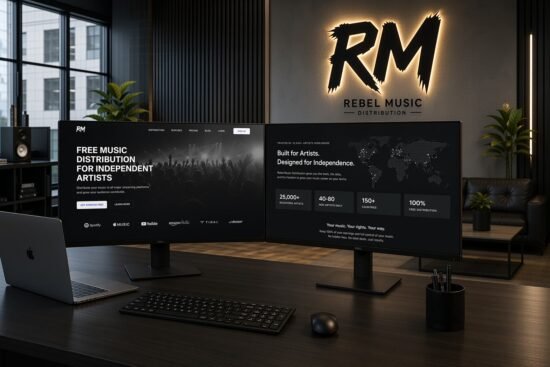
Distribution is easy to treat as a one-time release task, but the business model matters more as your catalog grows. Some services charge recurring subscriptions, some charge per release, some keep a percentage of royalties, and some charge separately for optional tools or account changes. None of those models is automatically right or wrong. The important thing is understanding what you are agreeing to before your catalog becomes expensive or inconvenient to move.
If recurring costs are a concern, compare distribution options that do not require an annual fee alongside subscription and commission-based services. Look beyond the first-year price and ask what the same catalog could cost three or five years from now.
Your distributor should fit the stage of your career and the way you release music. Do not choose only because a service is popular. Choose because you understand the economics and the workflow.
Spend on Assets You Can Reuse
One of the best ways to stretch an independent budget is to pay for work that can support more than one post.
A strong photo session can supply an artist profile image, press photos, social posts, thumbnails, website images, show posters, and future pitch material. A well-planned video shoot can produce a full video plus several short vertical clips. A good visual concept can carry across cover art, social graphics, live visuals, and merch.
Think in terms of an asset library instead of individual pieces of content. Ask what else you can create while the camera is already running, the location is already booked, or the designer already understands the project.
Promotion Needs a Job
“Promotion” is too broad to be a useful budget category. Before spending, define what the money is supposed to do.
Are you paying to reach new listeners? Get people to a show? Build an email list? Put a video in front of a specific audience? Generate press coverage? Create content that can keep the release alive for several weeks?
If you cannot describe the goal of the spend, wait.
This is especially important with advertising. A campaign that produces cheap clicks is not automatically successful. If those visitors leave immediately, never listen again, and never follow the artist, the low cost did not create much value. Measure the result that matters to your actual goal.
Be Careful With Guaranteed Results
Independent artists are constantly offered shortcuts: guaranteed streams, guaranteed playlist placements, guaranteed followers, guaranteed press, guaranteed viral exposure. Be skeptical whenever the promise sounds more specific than the process.
Legitimate promotion can increase the chance that people discover your music. It cannot force real listeners to become fans.
Before paying anyone, ask what they actually do, where the audience comes from, what you will receive, how success is measured, and whether the method complies with the platforms involved. If the seller cannot explain the process without hiding behind impressive numbers, keep your money.
PR Works Better When There Is Something to Say
A publicist is not a machine that converts money into reviews. Media coverage starts with a story.
Maybe the artist has an unusual background. Maybe the song was created around a meaningful event. Maybe there is a collaboration, tour, visual concept, community angle, or genuinely interesting creative process. Those elements give writers something to work with.
If the only pitch is “new single out now,” spending heavily on PR may be premature. Build the story first. Make the music easy to understand. Prepare good photos, a concise bio, working links, and a clear reason the release is relevant now.
Keep Money for After Release Day
A surprising number of independent campaigns spend nearly everything before the song is available. Then something starts working and there is no budget left to support it.
Keep a reserve.
If one video suddenly performs better than the others, you may want to make more content around that idea. If a review appears, you may want to promote it. If a city unexpectedly produces more listeners, you may want to test ads there or explore a show. If fans respond to an acoustic performance, you may want to record a better version.
Release day gives you information. Leave yourself enough flexibility to act on it.
Do More Yourself – But Not Everything
DIY is one of the great advantages of being independent. You can design simple social graphics, edit short clips, manage your own release calendar, write personalized outreach, update your website, and learn basic analytics without hiring someone for every task.
But doing everything yourself is not automatically cheaper. If a job takes you twenty hours, looks unprofessional, and keeps you from rehearsing, writing, recording, or performing, outsourcing may be the better decision.
Pay for expertise when it solves a real weakness. Keep tasks in-house when you can do them well and the time cost makes sense.
A Simple Way to Prioritize the Budget
When money is tight, rank every possible expense with three questions:
1. Does this improve the music or the listener’s first impression?
2. Can I use the result more than once?
3. Can I measure whether it helped?
An expense that scores well on all three is usually easier to justify.
A strong mix improves the song everywhere. Good photos can be reused for months. A targeted campaign can be measured. A vague promise of “industry exposure” with no deliverables is much harder to defend.
This does not mean every creative decision needs a spreadsheet. It means the business side should protect the creative side from unnecessary spending.
The Budget Checklist
Before you pay for anything around your next release, make sure you can answer these questions:
☐ Is the song truly finished?
☐ Do I know the main goal of this release?
☐ Which expenses are required and which are optional?
☐ Have I checked the long-term cost of my distribution setup?
☐ Can any photos, videos, or design work be reused across the campaign?
☐ What exactly am I paying a promoter, publicist, or advertiser to achieve?
☐ Am I being promised guaranteed numbers that sound unrealistic?
☐ Do I have enough content to support the release for several weeks?
☐ Have I kept some budget in reserve for opportunities after launch?
☐ Am I paying someone because I need their skill – or because I feel like “real artists” are supposed to?
Spend Like an Independent Artist, Not a Major Label
Being independent means you probably cannot outspend major-label campaigns. You do not need to.
Your advantage is flexibility. You can change direction quickly. You can speak directly to your audience. You can test ideas without a committee. You can build relationships one person at a time. And you can decide which parts of the traditional music-business machine are actually useful for your career.
A smart release budget is not about spending as little as possible. It is about making sure every dollar has a reason to be there. Put the music first. Build reusable assets. Understand recurring costs. Avoid vanity numbers. Keep enough flexibility to support what starts working.
Then take what you learn into the next release. That is how a small independent budget becomes a long-term career tool.
We know there are many different roads to take with your hard earned budget. Hopefully this article answered some questions but we are sure there are more. Get in touch with those new questions and let’s chat about it. Indie Band Guru may have some answers for you. We hope to keep helping independent artists reach their goals.